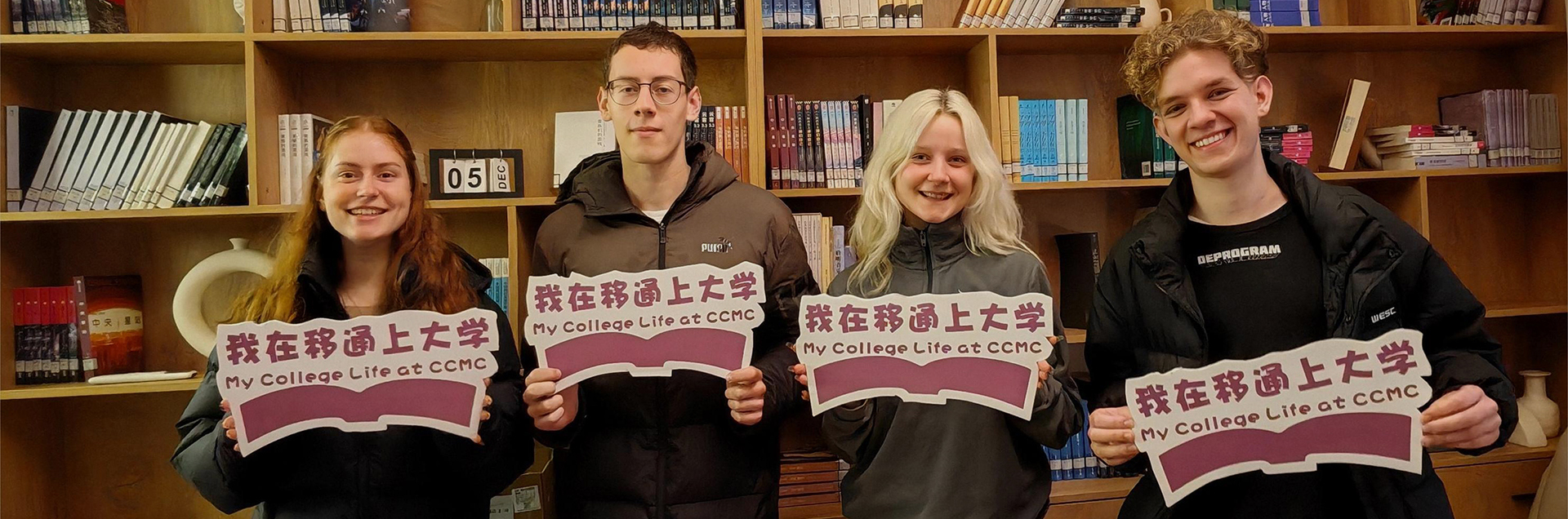
From June 5 to 6, 2026, the 2026 Seminar on Sino-Foreign Cooperative Education in Higher Education in the New Era (Phase IV) was successfully held at Chongqing Yitong University. The seminar was guided by the Shanghai Higher Education Association and jointly organized by the International Exchange Committee of the Shanghai Higher Education Association and Chongqing Yitong University. The German Engineering Institute of Chongqing Yitong University, Sydney Institute of Business Administration of Shanghai University, Sino-British College of University of Shanghai for Science and Technology, and Lausanne Hospitality Management Institute of Shanghai Business School served as academic supporting organizations.
University leaders, representatives from international offices and schools, administrators from Sino-foreign cooperative education institutions, as well as faculty members and experts from nearly 30 universities across China gathered together. Focusing on key topics including policy directions, application procedures, development and evaluation, and quality assurance of Sino-foreign cooperative education under the new circumstances, participants engaged in in-depth discussions and shared practical experiences.
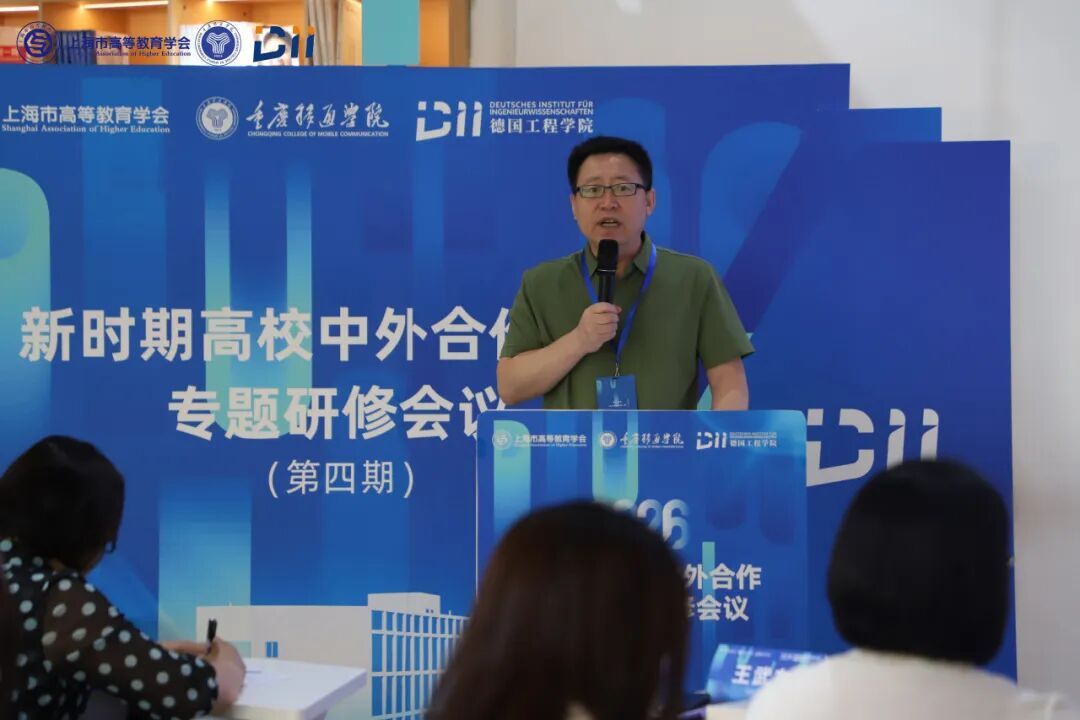
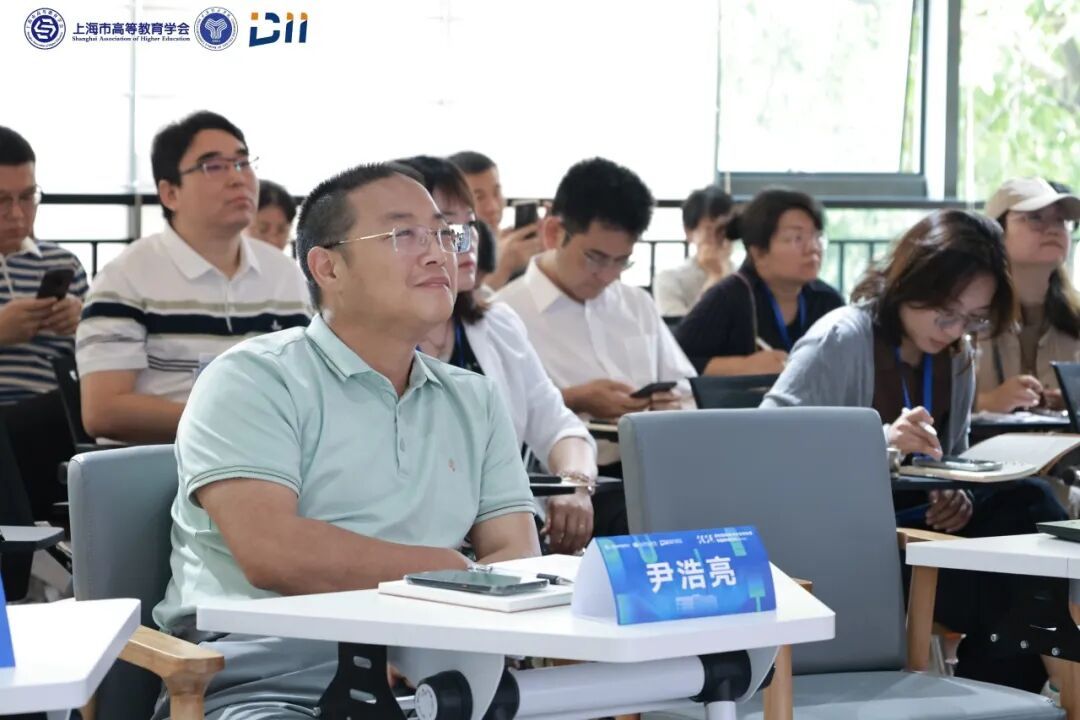
The seminar was chaired by Wang Wudong, Deputy Director and Secretary-General of the International Exchange Committee of the Shanghai Higher Education Association. Yin Haoliang, Assistant President of Chongqing Yitong University, was invited to attend the event.
Exploring the Practice and Development of Sino-Foreign Cooperative Education Institutions and Programs
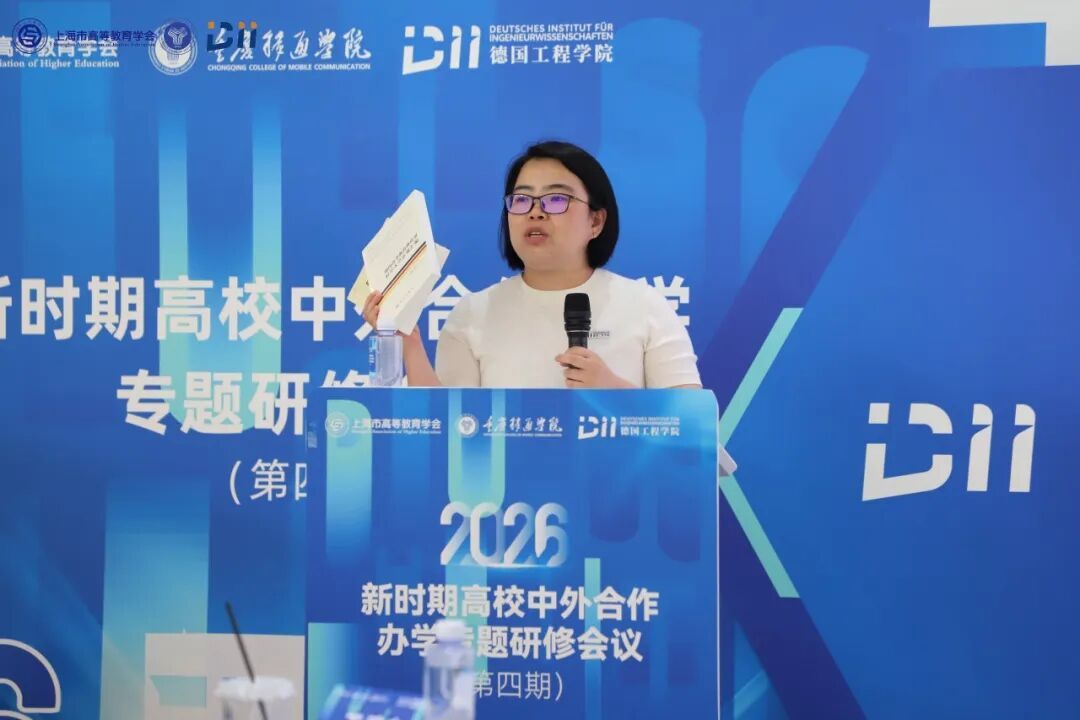
Hou Yujing, Dean of the German Engineering Institute of Chongqing Yitong University, delivered a keynote report titled “Practical Exploration on the Development and Construction of Sino-Foreign Cooperative Education Institutions and Programs.”
She pointed out that Sino-foreign cooperative education undertakes the important mission of introducing high-quality overseas educational resources, optimizing talent development models, and deepening international educational exchange and cooperation. The development of such programs should always align with China’s strategy of opening up and the needs of regional industrial development.
Based on the practical experience of the German Engineering Institute of Chongqing Yitong University, she introduced the Sino-German engineering cooperative education model with German universities as core partners. Centered on the 3+1 undergraduate program, the Institute systematically introduces German curriculum standards and quality management systems, promotes the localization of international curricula, and builds a distinctive four-dimensional talent development system.
In addition, the Institute has innovatively established a full-cycle student recruitment and operation system as well as a home-school collaborative education mechanism. By strengthening its educational brand through international professional accreditation and integrating classroom teaching, overseas further study opportunities, and enterprise employment resources, the Institute has developed a distinctive new model of Sino-German engineering education. This provides practical pathways and valuable experience for the high-quality development of science and engineering-oriented Sino-foreign cooperative education in the new era.
Practical Operation and Management of Sino-Foreign Cooperative Education Institutions
Shi Da, President of Dongbei University of Finance and Economics Press and former Dean of Surrey International Institute of Dongbei University of Finance and Economics, delivered a keynote report on “Practical Operation and Management of Sino-Foreign Cooperative Education Institutions — Focusing on Team Management, Teaching Management, and Financial Management.”
He emphasized that Sino-foreign cooperative education is an important platform for educational opening-up, which can introduce high-quality international faculty resources and optimize talent cultivation. He noted that successful operation requires joint management of Chinese and foreign faculty teams, improved student services, and the establishment of distinctive education systems.
The report proposed promoting localized internationalization based on domestic educational contexts, while collecting successful cases and summarizing practical experiences to provide references for the development of similar institutions.
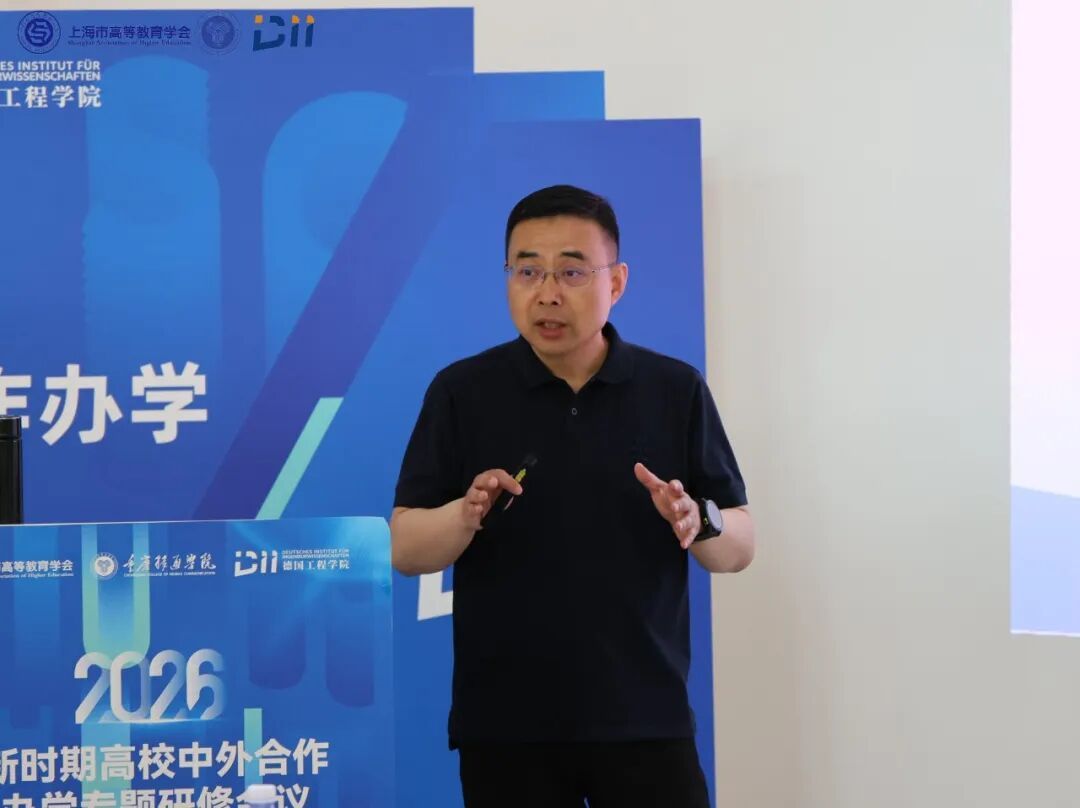
Development of Talent Cultivation Programs and Faculty Allocation in Sino-Foreign Cooperative Education
Lv Kangjuan, Secretary of the Party Committee of Sydney Institute of Business Administration of Shanghai University, delivered a thematic presentation on “The Development of Talent Cultivation Programs and Faculty Allocation in Sino-Foreign Cooperative Education.”
She stated that Sino-foreign cooperative education has entered a new stage of quality improvement and innovative development. Establishing effective talent cultivation systems and quality assurance mechanisms is essential for high-level international education.
Taking Sydney Institute of Business Administration of Shanghai University as an example, she introduced how the institute optimizes its curriculum system around global competence, reforms faculty evaluation mechanisms, and builds a comprehensive quality control system based on AACSB accreditation. This transformation has enabled the institute to move from simply introducing and learning from overseas models toward equal cooperation and the development of independent educational standards.
She suggested that institutions should strengthen systematic development, utilize international accreditation to enhance independent educational capacity, and contribute to the high-quality development of internationalization in higher education.
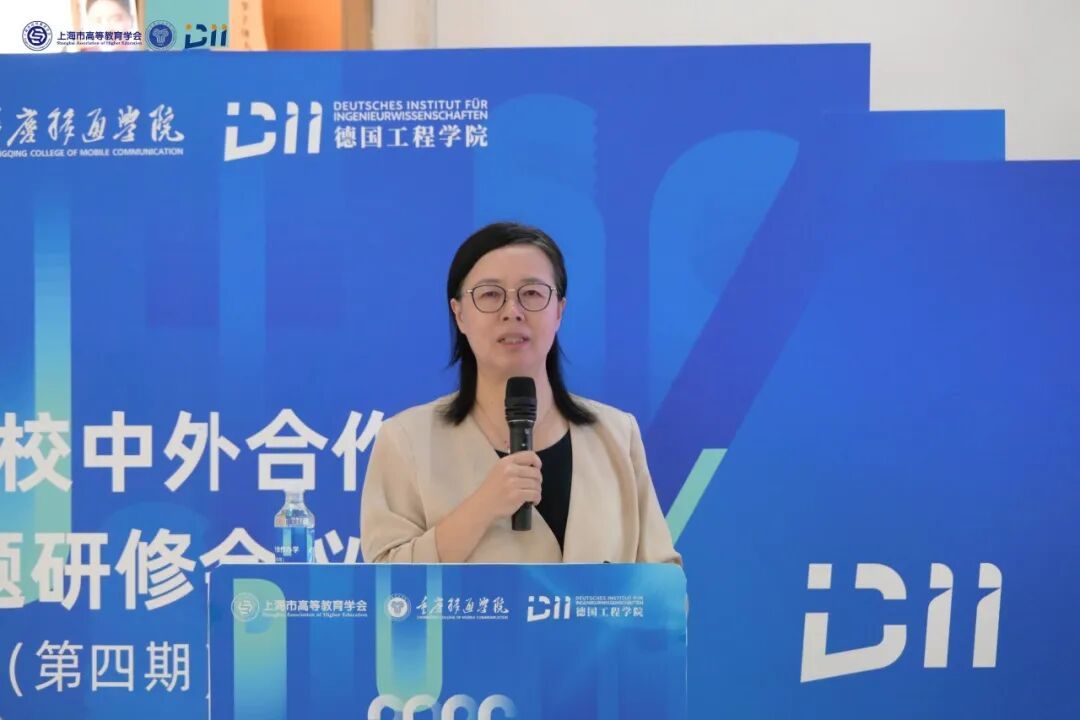
Key Points of Policy Application and Evaluation for Sino-Foreign Cooperative Education Institutions and Programs
Guo Qiang, Deputy Dean of the School of Management of Nanjing University of Posts and Telecommunications, delivered a thematic presentation titled “Key Points of Policy Application and Evaluation for Sino-Foreign Cooperative Education Institutions and Programs.”
Based on current policies and industry development trends, he explained that Sino-foreign cooperative education has continued to expand in scale and become increasingly mature in structure.
He analyzed application requirements from five major aspects: academic disciplines, faculty resources, curriculum development, institutional systems, and funding support. He advocated selecting high-quality international partners and developing distinctive educational characteristics. He also suggested that universities should make full use of overseas resources, gain a comprehensive understanding of policies, and conduct thorough preliminary planning to improve the success rate of applications.
He further emphasized that Sino-foreign cooperative education should move toward higher-level and diversified development, integrating talent cultivation with academic research and enhancing overall educational strength.
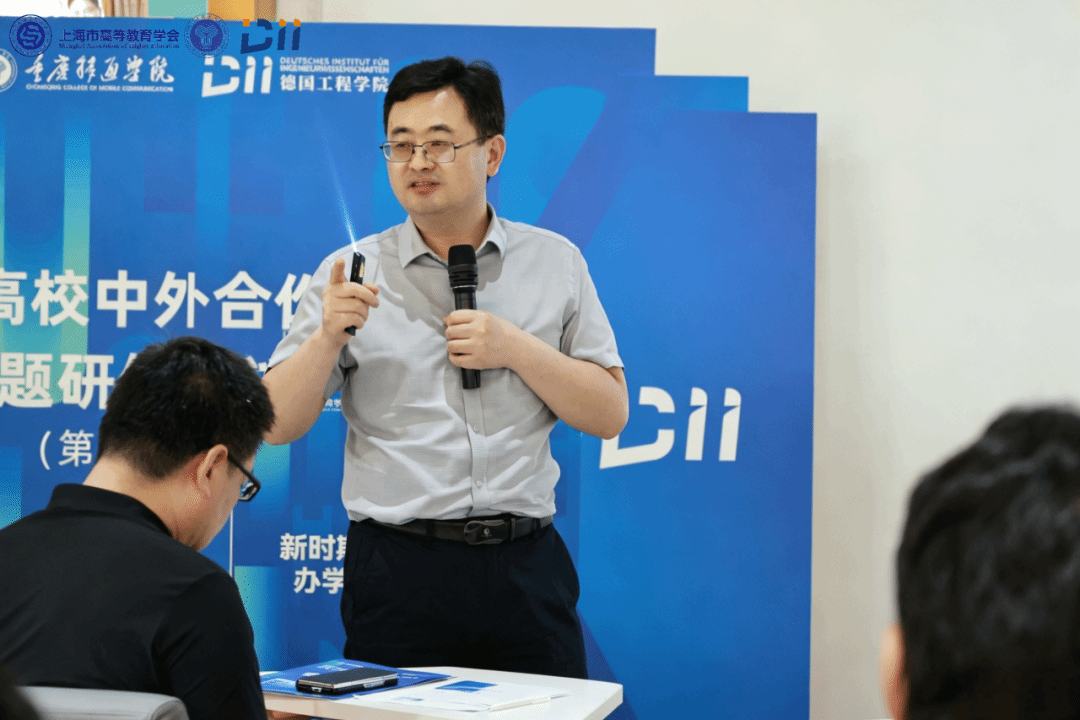
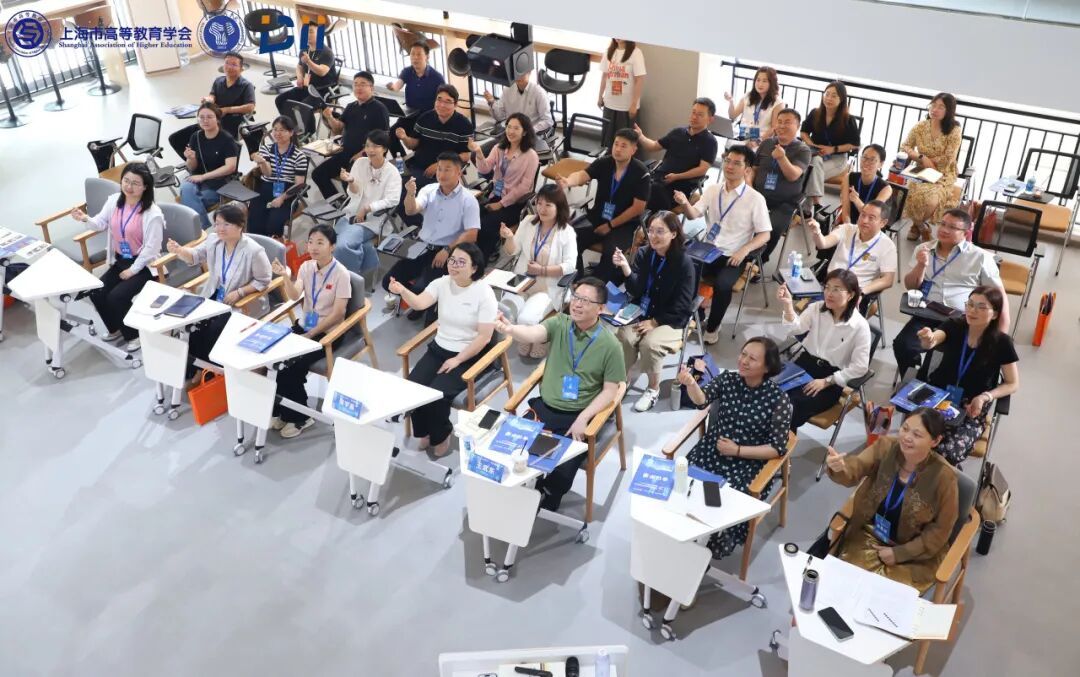
Promoting High-Quality Development Through Exchange and Practice
The seminar successfully concluded through a combination of academic discussions, interactive exchanges, and on-site visits.
After attending keynote sessions and discussions, participants visited the German Engineering Institute of Chongqing Yitong University. They toured the Institute’s teaching areas, administrative spaces, and residential college areas, gaining an in-depth understanding of the university’s distinctive “Four-in-One Dual-Academy System” talent development model and experiencing the educational philosophy of “Professional development in the institute, personal growth in the academy.”
Participants also observed the Institute’s achievements in Sino-foreign curriculum development, practical education, and refined campus management.
Representatives attending the seminar agreed that the event closely aligned with the requirements of educational opening-up in the new era. It demonstrated strong theoretical depth and practical guidance, combining policy perspectives with operational insights, and provided universities with practical and replicable models for optimizing Sino-foreign cooperative education.
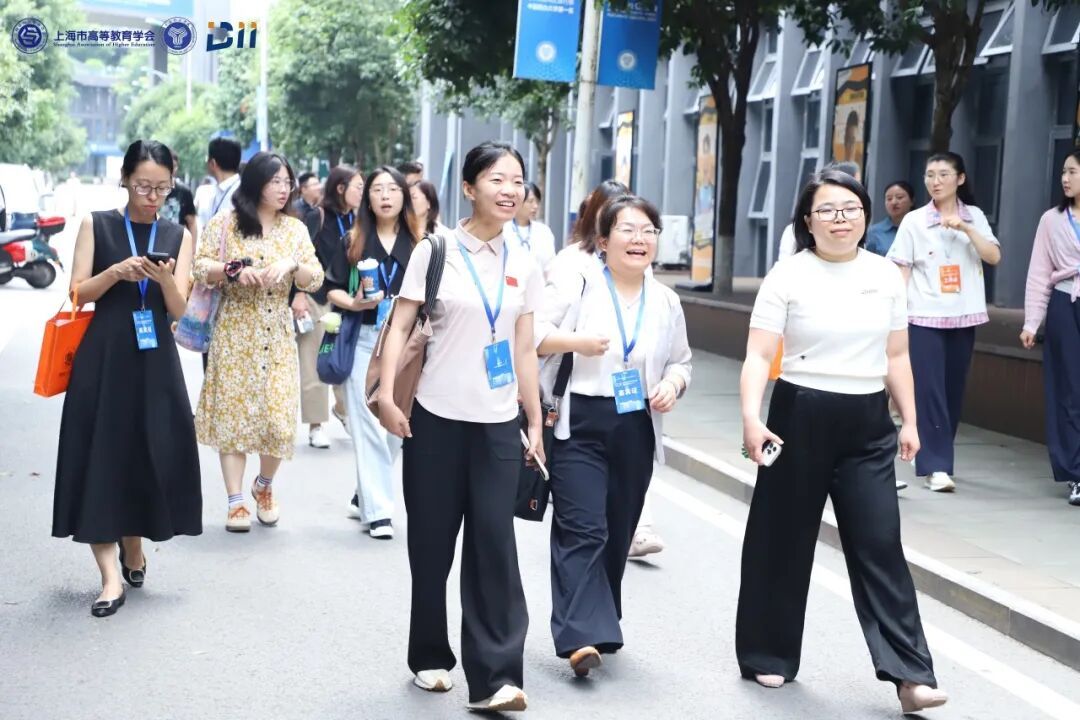
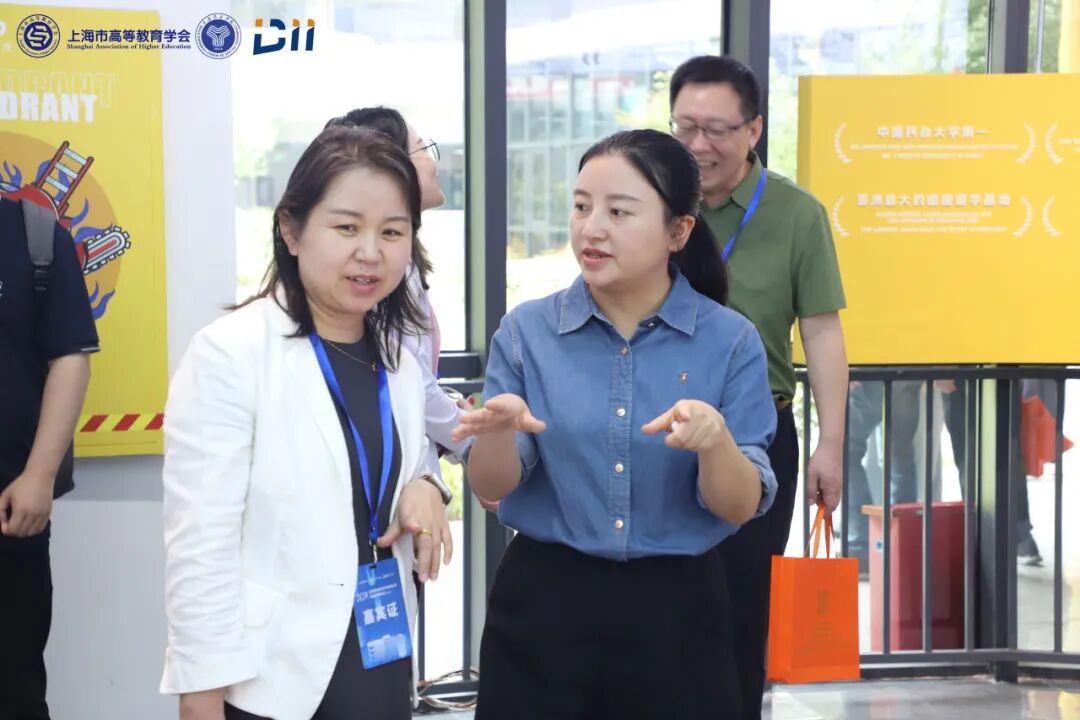
The integrated training model combining academic lectures and on-site visits effectively deepened participants’ understanding of the essence of high-quality development in Sino-foreign cooperative education, broadened approaches to internationalized education, and strengthened confidence in developing distinctive and high-quality Sino-foreign cooperative education programs.
Published on: June 9, 2026
Source: Institute of German Engineering
Editor: Chen Tingzhi
Second Reviewer: Wei Chengcheng
Final Reviewer: Wu Lijun













 CN
CN